

Esta entrada también está disponible en:
 Español
  Deutsch
Last Updated on 25 June, 2026 by Daniel Silvente
Machu Picchu is one of the most visited places in Latin America and a must-see stop on any trip to Peru. But beyond the classic photo, the Inca citadel hides a fascinating history, sacred buildings, agricultural terraces, and unique corners that help explain why the Machu Picchu Ruins became one of the New Seven Wonders of the World.
In this guide, we’ll take a brief look at the origin of Machu Picchu: who built Machu Picchu, what its purpose may have been, when Machu Picchu was discovered by the modern world, and why it remains so important today. Then, we’ll go over the main places to see during your visit.
Before planning your route, keep in mind that not all entry tickets give access to the same areas. Machu Picchu works with official circuits, so the places you can visit will depend on the route included in your ticket.
A Brief History of Machu Picchu
The history of Machu Picchu dates back to the 15th century, during the height of the Inca Empire. Its construction is estimated to have taken place around 1450, in a strategic setting surrounded by mountains, valleys, and high jungle. Although its exact function is still not fully known, it is believed to have been an important political, religious, and agricultural site linked to the Inca elite.
The name also helps explain the place. If you are wondering about the Machu Picchu meaning, the most common translation from Quechua is “old mountain” or “ancient mountain.” It refers to the Machu Picchu mountain next to the citadel and helps distinguish it from Huayna Picchu, which is usually interpreted as “young mountain.”
During its period of occupation, the citadel was home to several hundred people. Its agricultural terraces, temples, homes, and ceremonial areas show how important it was within Inca organization. However, its occupation was relatively short, and after it was abandoned, vegetation gradually covered its structures.

When Was Machu Picchu Discovered?
When people ask when Machu Picchu was discovered, the name most often mentioned is Hiram Bingham, the American explorer who arrived at the site in 1911 and introduced the ruins of Machu Picchu to the modern world. After that, archaeological studies, excavations, and documentation of the site began.
Still, it is important to clarify that Machu Picchu was not completely “lost.” Some local communities already knew about the ruins before Bingham arrived, but his expedition brought international attention and archaeological interest to the Inca citadel.

Machu Picchu today
Today, Machu Picchu is one of Peru’s most important symbols and one of the most famous archaeological destinations in the world. Since 1981, it has been protected as a Historic Sanctuary of Peru, and since 1983, it has been part of the UNESCO World Heritage List.
In 2007, Machu Picchu was also named one of the New Seven Wonders of the World, strengthening its international fame even more. So when we talk about the Machu Picchu Ruins, we are not only referring to their natural beauty, but also to their historical, cultural, and archaeological value.
Today, visits are organized through official circuits to protect the site and manage the flow of travelers. That’s why, in addition to learning about its history, it’s important to check which ticket to buy and which areas you’ll be able to visit depending on the circuit you choose.

What to See in Machu Picchu
The Machu Picchu Ruins include temples, terraces, plazas, residential areas, viewpoints, and sacred mountains that helps explain the historical and spiritual importance of the Inca citadel. However, visits are now organized through official circuits, so not all travelers have access to the same areas.
This means that what you can see in Machu Picchu will depend on the entry ticket you book. If it’s your first visit and you want to see the most representative areas, Circuit 2 is usually the best option, as it combines the classic photo spot with a fairly complete route through the citadel. Circuit 1, on the other hand, focuses more on viewpoints and panoramic areas, while Circuit 3 mainly covers the lower and more archaeological section of the site.
Temple of the Sun
The Temple of the Sun is one of the most important buildings in Machu Picchu. It stands out for its semicircular shape, carefully carved stones, and possible ceremonial and astronomical function. It is believed that this space may have been related to rituals dedicated to the sun, one of the main deities for the Incas.

Temple of the Three Windows
The Temple of the Three Windows is one of the most recognizable examples of Inca architecture. Its three trapezoidal windows and symmetrical stonework show the precision with which the citadel was built.
This site is part of the urban and ceremonial area of Machu Picchu, making it one of the most interesting places for travelers who want to understand the archaeological essence of the site.

Sacred Plaza
The Sacred Plaza is another of the main places to see in Machu Picchu. It is surrounded by some of the most important structures in the site and is considered an area linked to ceremonies and religious activities.
Because of its location, it is one of the places that best helps explain the organization of the citadel and the symbolic importance of its main buildings.

Intihuatana
The Intihuatana is a carved stone located in one of the highest areas of the citadel. Its name is usually translated as “where the sun is tied,” and it is associated with astronomical and ceremonial observations.
It is one of the most symbolic elements of Machu Picchu and one of the places that best reflects the relationship between the Incas, the sun, the seasons, and the natural environment.

Temple of the Condor
The Temple of the Condor is one of the most striking constructions in Machu Picchu. Its design uses the natural shape of the rocks to represent a condor, a sacred bird in Andean cosmology.
This space is located in the lower part of the citadel, so it is more closely connected to the routes that explore the lower urban and ceremonial sector, especially Circuit 3.

Royal Residence
The Royal Residence is one of the most important architectural areas in the site. Its size, layout, and quality of construction suggest that it may have been linked to high-ranking figures within Inca society.
It is also located in the royal sector, one of the most representative areas in the lower part of Machu Picchu. That makes it especially interesting for travelers who want to learn more about the architecture and internal organization of the citadel.

Upper Terraces and the Classic Photo
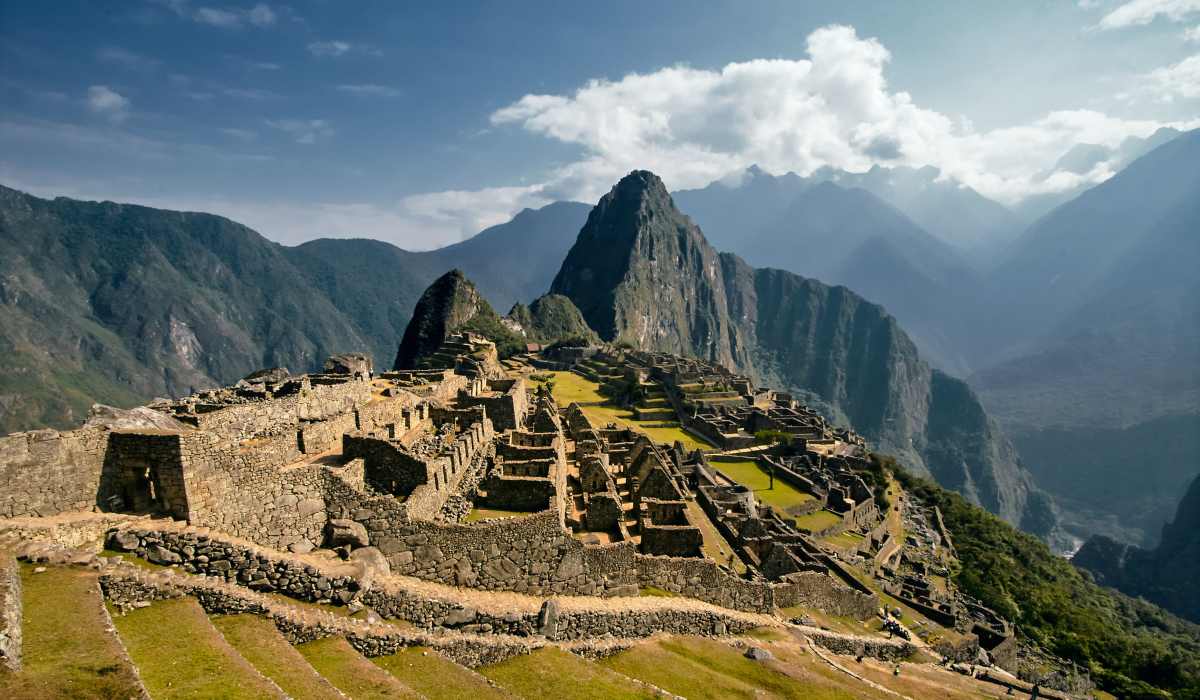
The upper terraces are one of the most popular places for travelers because this is where you can get the famous panoramic photo of Machu Picchu. This view, with the citadel in the foreground and Huayna Picchu in the background, is one of the most iconic images of Peru.
If getting the classic photo is a priority, choosing the right entry ticket is essential. Circuit 2 is usually the best option because it combines this view with a more complete route through the citadel. Some Circuit 1 routes also offer panoramic views, although the route through the urban area is usually more limited.
Huayna Picchu, Huchuypicchu, and Machu Picchu Mountain
In addition to the ruins of Machu Picchu itself, some tickets allow you to add a mountain or extra hike. Huayna Picchu is one of the best-known options and offers a challenging experience with spectacular views. Huchuypicchu is shorter and less demanding, while Machu Picchu Mountain offers a longer and more panoramic hike.
These routes are a good choice if you’re looking for a more active experience, but they are not always the best option for a first visit. In many cases, they focus more on the hike and the views than on a complete route through the citadel, so it’s best to choose them only if they match your fitness level and the type of experience you want.

Visit Machu Picchu
Before deciding what to see in Machu Picchu, the most important thing is to understand that each circuit offers a different experience. If you want a complete visit, with the classic photo and representative areas of the citadel, Circuit 2 is usually the best choice. If you are more interested in the archaeology of the lower section, Circuit 3 may be a good option. And if you are looking for viewpoints, mountains, or a more active experience, some Circuit 1 routes or mountain tickets may fit your trip better.
To choose the right option, we recommend checking our guide to the Machu Picchu circuits first, where we explain the differences between each route and which ticket to book depending on your travel style. You can also read our step-by-step guide on how to buy Machu Picchu entrance tickets to avoid common mistakes with schedules, personal details, or availability.
And if you prefer not to worry about tickets, transportation, trains, buses, and schedules, you can book your Machu Picchu tour with Howlanders and travel with everything arranged in advance. We offer day trips, 2-day tours, Sacred Valley combinations, and treks such as the Salkantay Trek, Inca Trail, Inca Jungle, or Lares Trek. Explore our Machu Picchu tours and choose the option that best fits your trip.
